Sunfish Watercolor: A Designer's Real-World Review
As a designer who has spent years navigating the gap between digital mockups and physical stitched reality, I approach every new machine embroidery design with a mix of excitement and skepticism. The latest file on my desk is titled Sunfish Watercolor, an asset categorized under Illustrations. Before I commit to stitching this onto a client order or listing it as a finished product in my shop, I need to understand how the soft, blended aesthetic of watercolor translates into thread. Does it hold up? Is it practical for a busy craft business? Let's dive into what this design actually offers when moved from the screen to the hoop.
The First Impression: Mood and Visual Personality
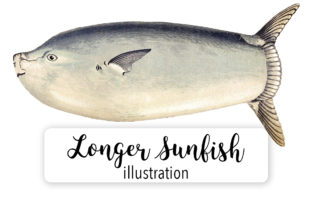
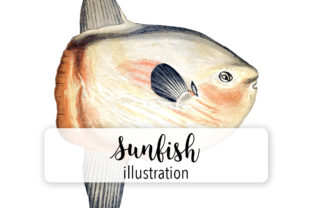
When you first open the digital embroidery file for Sunfish Watercolor, the immediate reaction is one of whimsy and calm. Unlike rigid geometric patterns or bold, high-contrast logos, this design relies on fluid shapes and implied gradients. The sunfish itself feels organic, as if it were sketched with a wet brush rather than plotted by a machine. This mood makes it instantly appealing for specific niches, particularly those focused on coastal themes, nursery decor, or relaxed lifestyle branding.
However, the "watercolor" effect in embroidery is often achieved through clever layering of fill stitch and varying stitch density. In a static image, it looks like paint bleeding into paper. In reality, it requires precise execution to avoid looking muddy or pixelated. For an Etsy seller or boutique owner, the visual personality here is a double-edged sword. It creates a unique, handmade charm that mass-produced items lack, but it demands careful fabric selection to maintain that delicate look.
Real-Life Application: From Screen to Sweatshirt
To truly test the viability of Sunfish Watercolor, I imagined preparing a custom embroidered tote bag for a local beach shop. Tote bags are a staple for small businesses because they serve as walking advertisements. If I were to place this sunfish on a natural canvas tote, the goal would be to make it feel like an artistic statement rather than a cheap applique.
In this scenario, the design shines. The flowing lines of the fish complement the texture of the canvas. However, if I were to move this same embroidery project to a heavy cotton sweatshirt, the dynamics change. Sweatshirts have a looped texture that can disrupt fine details. With Sunfish Watercolor, the softer edges might get lost in the fabric pile unless the hoop size is large enough to pull the fabric taut. I would likely recommend this design for lighter-weight apparel or structured items like pillow covers and aprons where the surface is flatter. For a baby embroidery item, such as a onesie, the gentle colors and rounded shapes are perfect, provided the stabilizer is chosen correctly to prevent puckering on stretchy knit fabrics.
Navigating Technical Challenges and Fabric Choices
Every experienced designer knows that a beautiful illustration can fail if the technical execution isn't sound. Sunfish Watercolor presents specific challenges that require attention. Because the design mimics a wash of color, it likely utilizes significant amounts of fill stitch with varying densities to create depth. On dark fabrics, this could become problematic. Without a proper underlay or a white backing, the colors may appear dull or muddied. I would strongly advise testing this on a scrap piece of the intended dark fabric first.
Furthermore, consider the placement on curved surfaces like caps. The sunfish shape is somewhat elongated; forcing it onto a curved cap panel might distort the watercolor effect, making the stitches look stretched. For these reasons, flat surfaces are ideal. If you are creating an embroidered patch, the stability of the felt backing helps, but the intricate shading needs to be checked for potential thread breaks during production. Thin fabrics also pose a risk; the density required to achieve the watercolor look might overwhelm a lightweight tea towel or sheer scarf, causing the back of the fabric to show through.
Strategic Value for Small Business Owners
For creative entrepreneurs and digital product sellers, the value of Sunfish Watercolor lies in its versatility for seasonal collections. Imagine using this design for holiday gifts, specifically summer-themed gift sets or end-of-year clearance items with a tropical twist. The design elevates a simple product into a perceived luxury item. When a customer sees a well-executed custom apparel piece with this level of detail, their trust in your brand increases. They perceive the effort and artistry involved, which justifies a higher price point.
However, consistency is key. If you are building a brand around clean, modern aesthetics, this organic style might clash unless carefully curated. It works best for brands that emphasize "handmade," "artisanal," or "coastal living." Before adding this to your catalog, create a printable mockup to visualize how it sits on different products. Compare light and dark backgrounds to ensure the contrast remains sharp. Remember, the finished product must look professional under various lighting conditions, not just in your studio.
Practical Designer Notes for Success
- Test on Scrap Fabric: Never skip the test run. Stitch Sunfish Watercolor on the exact fabric you plan to use to check for puckering and color blending.
- Check Thread Colors: The watercolor effect depends heavily on the specific thread colors used. Ensure your thread palette matches the design intent to avoid a muddy appearance.
- Stabilizer Selection: Use a cutaway stabilizer for knits and stretchy fabrics to support the stitch density without distorting the shape.
- Review Licensing: Always confirm whether the license allows you to sell finished goods or if it is restricted to personal use. This is critical for any commercial embroidery venture.
- Hoop Size Matters: Ensure your hoop is large enough to accommodate the design without crowding, which can lead to registration errors in the shading areas.
- Black and White Mockups: Test the design in grayscale to see if the contrast holds up before committing to expensive threads.
Final Verdict: A Niche Gem for the Right Maker
Sunfish Watercolor is not a one-size-fits-all solution, but for the right maker, it is a powerful asset. It excels in projects that benefit from a soft, artistic touch, such as nursery decor, boutique home goods, and personalized gifts. It transforms a standard tote bag design or kitchen towel into a conversation starter. However, it requires a designer who understands how to manage stitch density and fabric interaction. If you take the time to prepare properly—checking your stabilizers, testing on scraps, and respecting the licensing terms—this embroidery file can significantly enhance your product line. It offers a unique visual language that stands out in a crowded market, provided you treat it with the care and technical precision it deserves.