Best Friends Watercolor Clipart: A Designer Review
As a designer who has spent years translating digital art into tangible thread, I approach every new asset with a critical eye. When I first opened the file for Best Friends Watercolor Clipart, my immediate reaction was one of cautious optimism. The watercolor aesthetic is undeniably popular in the current handmade market, but it is notoriously difficult to replicate effectively through machine embroidery. My goal today is to walk you through exactly how this design performs when moved from a screen to a hoop, helping you decide if it belongs in your next collection or client project.
The First Impression: Mood and Visual Personality
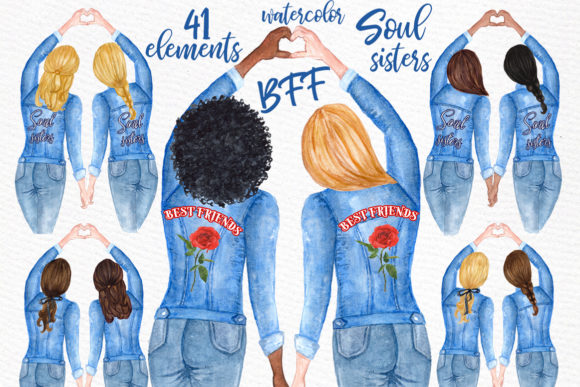
The Best Friends Watercolor Clipart falls squarely within the Illustrations category, offering a soft, organic feel that screams nostalgia and warmth. Visually, the design relies on blended edges and subtle color gradients to create depth. In a digital format, this works beautifully for printable mockups or social media graphics. However, as an embroidery professional, I immediately began analyzing how these soft transitions would translate into stitch types. The shapes are fluid, avoiding harsh geometric lines, which suggests a design personality that is gentle and approachable. This makes it an ideal candidate for nursery decor, baby gifts, or sentimental keepsakes where a softer touch is required.
However, the challenge lies in the "watercolor" effect itself. Traditional machine embroidery relies heavily on fill stitch and satin stitch to define areas. To mimic a watercolor bleed, we often need to manipulate stitch density and use specific thread colors to create the illusion of transparency. If the design is too dense, it loses its airy quality; if it is too sparse, it may not hold up on fabric. This is why understanding the limitations of the medium is crucial before committing to a production run.
Real-World Application: From Screen to Sweatshirt
Let's imagine a practical scenario: You are an Etsy seller preparing a batch of custom embroidered tote bags for a summer craft fair. You want to feature the Best Friends Watercolor Clipart on a natural cotton canvas. On paper, the concept is perfect—the earthy tone of the bag complements the soft hues of the illustration. But what happens when you load the machine embroidery design?
In this context, the design shines on stable, woven fabrics like canvas or linen. The larger elements of the clipart allow for decent coverage without overwhelming the texture of the material. For a tote bag design, the placement is forgiving; you have ample space to center the motif without worrying about distorting the image near seams. Similarly, if you were applying this to a heavy-weight sweatshirt embroidery project, the bulk of the garment would support the weight of the stitching, preventing puckering.
I also see great potential here for creating an embroidered patch. By using a backing felt and trimming around the irregular watercolor edges, you can create a high-end, boutique-style accessory. These patches could be sold individually or used to upgrade basic denim jackets and backpacks. The key is ensuring the thread colors you select match the gradient flow of the original illustration. Using a single solid color might flatten the design, whereas layering two or three shades can bring out that signature watercolor look.
Navigating Fabric Challenges and Technical Limitations
While the Best Friends Watercolor Clipart is versatile, there are specific situations where you must exercise caution. One major concern is the use of this design on stretchy or thin fabrics. Because watercolor illustrations often lack hard outlines, they rely on the stability of the base fabric to maintain their shape. If you attempt this on a thin t-shirt jersey without a proper stabilizer, the tension from the needle can cause the fabric to pucker, ruining the delicate visual appeal.
Furthermore, consider the scale. If you are working with a small hoop size, such as a 4x4 inch hoop, the intricate blending of the watercolor effect may get lost. The machine might struggle to render tiny details, resulting in a muddy appearance rather than a crisp, artistic finish. This is particularly true for curved surfaces like caps or hats. The distortion caused by the dome of a cap can break up the continuous flow of the watercolor strokes, making the design look disjointed.
Dark fabrics present another hurdle. The soft, pastel nature of most watercolor designs requires light backgrounds to pop. Placing this design on black or navy fabric without significant adjustments to the embroidery file will likely result in poor visibility. You would need to add a dense underlay or a white background fill, which fundamentally changes the aesthetic from a light wash to a bold graphic. Always test the design in black and white mockups first to ensure the contrast is sufficient for your chosen product.
Strategic Notes for the Professional Maker
Before you finalize any order or list a product for sale, there are several steps you should take to ensure professionalism. First, always test the Best Friends Watercolor Clipart on scrap fabric that matches your final project material. This allows you to check the stitch density and make necessary adjustments to the pull compensation. If the stitches are too tight, the fabric will gather; if too loose, holes may appear between the threads.
Secondly, verify the licensing terms. As a craft business owner or Etsy seller, you must confirm whether this digital embroidery file allows for commercial use of finished items. Some licenses restrict the number of products you can sell or require attribution. Never assume; always read the fine print to protect your brand and avoid legal issues down the road.
Finally, think about the customer experience. When a buyer receives a personalized gift featuring this design, they are paying for both the sentiment and the quality of execution. A well-executed watercolor embroidery piece adds significant value to a handmade product, elevating it from a simple craft to a piece of wearable art. It signals attention to detail and enhances your brand consistency. However, a poorly executed version with visible gaps or uneven coloring can damage your reputation.
Final Verdict on Design Assets
In conclusion, the Best Friends Watercolor Clipart is a strong contender for your library of design assets, provided you respect the technical constraints of the medium. It excels in projects requiring a soft, emotional connection, such as baby embroidery, holiday gifts, and boutique merchandise. It is less suitable for high-stretch applications or extremely small formats without modification.
By taking the time to test your machine embroidery design, selecting the right stabilizer, and choosing appropriate thread palettes, you can transform this digital illustration into a stunning physical reality. Whether you are decorating a kitchen towel, creating a pillow cover, or producing a line of custom apparel, this design offers a unique opportunity to blend artistic flair with functional craftsmanship. Just remember: the magic of watercolor in thread comes from careful planning, not just pressing start on your machine.