Papilio Ulysses Butterfly Watercolor Review
As a designer who has spent years translating digital art into tangible thread, I approach every new machine embroidery design with a mix of excitement and caution. The gap between a pretty screen image and a successful stitched piece is often where projects succeed or fail. Recently, I had the chance to evaluate the Papilio Ulysses Butterfly Watercolor, an illustration that immediately caught my eye for its fluid aesthetic. Before recommending this asset to my clients or using it in my own craft business, I needed to understand how it behaves under real-world conditions. This review breaks down my practical assessment of the design, focusing on how it translates from a digital file to a finished product.
First Impressions: Capturing the Fluidity of Nature
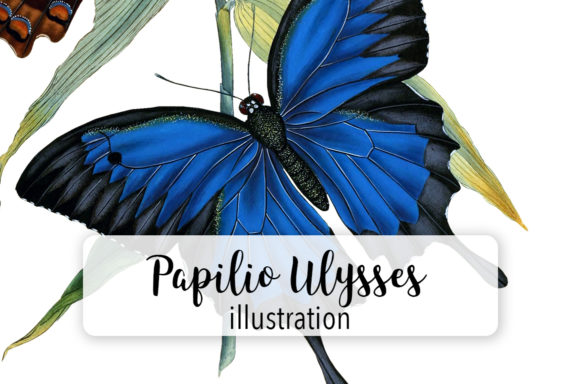
The first thing you notice about the Papilio Ulysses Butterfly Watercolor is its mood. Unlike rigid, geometric patterns often found in standard vector libraries, this design embraces the soft, bleeding edges characteristic of watercolor painting. For an embroidery project, this is a double-edged sword. On one hand, it offers a sophisticated, artistic look that elevates a simple tote bag or a nursery pillow cover into something boutique-quality. On the other hand, replicating that "wet-on-wet" paint effect with thread requires careful planning regarding stitch density and thread colors.
Visually, the butterfly feels organic and light. It does not scream for attention in a loud way; instead, it invites the viewer to look closer. This makes it an excellent candidate for personalized gifts where subtlety is key. When I imagine this as a digital embroidery file ready for production, I see it working beautifully on natural fibers like linen or cotton canvas. The layout suggests a balanced composition that could anchor a corner of a kitchen towel or sit proudly on the chest of a sweatshirt without overwhelming the garment.
Real-World Application: From Screen to Stitch
To truly test the viability of the Papilio Ulysses Butterfly Watercolor, I visualized a specific scenario: creating a limited run of embroidered tote bags for a local artisan market. These bags would be sold as eco-friendly accessories, appealing to nature lovers and art enthusiasts. In this context, the design's fill stitch areas need to mimic the gradient of the watercolor wash. If the stitch density is too high, the fabric will pucker, ruining the soft aesthetic. If it is too low, the color transitions will look muddy rather than blended.
I also considered how this design performs on custom apparel. A baby onesie or a delicate blouse requires a very different approach than a heavy denim jacket. The intricate details of the butterfly wings, which are likely rendered with fine lines in the original illustration, must be preserved during digitization. If the running stitch used for outlines is too thick, the delicate veins of the wings will disappear. Conversely, if the design is scaled down too much for a small hoop size, those details will vanish entirely, leaving a blob of blue thread.
For Etsy sellers and small shop owners, the versatility of this design is a major selling point. It fits seamlessly into themes ranging from spring collections to wedding favors. Imagine a set of holiday embroidery items, perhaps gift tags or napkins, featuring this butterfly. The watercolor style bridges the gap between rustic handmade charm and modern minimalism, making it a safe yet stylish choice for a wide demographic.
Navigating Challenges: Where Caution is Needed
While the Papilio Ulysses Butterfly Watercolor is visually stunning, it is not without its pitfalls. As a professional reviewer, I must highlight where this design might struggle. First, consider the fabric texture. Placing a watercolor-style design on a heavily textured fabric like chunky knit or bouclé can obscure the subtle gradients. The thread may sink into the weave, losing the intended smoothness of the paint effect.
Second, dark fabrics present a significant challenge. Watercolor designs often rely on white or light backgrounds to create that translucent feel. Embroidering light threads over black fabric requires extensive backing and potentially a layer of white fill underneath, which adds time and cost to the project. If you are producing commercial embroidery for a client who wants this on a navy hoodie, you must factor in these extra steps.
Another critical area is the hoop size. If you attempt to fit the full wingspan of the Papilio Ulysses into a 4x4 inch hoop, you risk distorting the proportions. The wings may appear cramped, and the stabilizer might not support the tension required for the detailed areas. Always check the recommended dimensions before committing to a specific product. Similarly, curved surfaces like caps can distort the symmetry of the butterfly. The wings might stretch unevenly, breaking the illusion of flight.
Practical Designer Notes for Success
If you decide to use the Papilio Ulysses Butterfly Watercolor in your workflow, follow these practical steps to ensure a high-quality result:
- Test on Scrap Fabric: Never skip this step. Run a test on the exact fabric you plan to use to check for puckering and color blending.
- Check Thread Contrast: Ensure the thread colors pop against your background but still maintain the soft watercolor vibe. Avoid neon threads unless that is your specific brand aesthetic.
- Review Stabilizer Needs: Delicate watercolor effects often require tear-away or cut-away stabilizers depending on the fabric weight. Do not skimp here, or your design will look sloppy after washing.
- Inspect Small Details: Zoom in on the digital preview. Are the wing tips sharp enough? Will they stitch out cleanly, or will they tangle?
- Mockup Testing: Use printable mockups to visualize the design on various products before stitching. Compare how it looks on light versus dark backgrounds.
- Licensing Check: Confirm whether the license allows for commercial embroidery. Can you sell the finished product? Can you sell the embroidery file itself? Clarity here protects your business.
Final Verdict: A Valuable Asset for Creative Entrepreneurs
The Papilio Ulysses Butterfly Watercolor is more than just another illustration; it is a tool for storytelling through thread. For the craft business owner looking to differentiate their products, this design offers a level of sophistication that generic clipart cannot match. It enhances the perceived value of a handmade product, turning a simple item into a collectible piece.
However, its success relies heavily on execution. The transition from a digital Illustrations category item to a physical object demands respect for the medium. By understanding the limitations of satins stitch on large areas and the behavior of thread on different materials, you can leverage this design to build customer trust and brand consistency.
Whether you are making a personalized gift for a friend or stocking inventory for your online store, this butterfly brings a touch of nature's elegance to your work. Just remember to prepare your machine, choose your materials wisely, and always test first. With the right approach, the Papilio Ulysses Butterfly Watercolor can become a signature element in your portfolio of design assets.