Jungle Babies, Safari Babies in Watercolor Review
As a designer who has spent years translating digital files into tangible thread and fabric, I approach every new machine embroidery design with a mix of excitement and skepticism. The market is flooded with generic clip art that looks perfect on a screen but falls apart under the needle. That is why when I first encountered Jungle Babies, Safari Babies in Watercolor, I didn't just look at the preview; I immediately started mentally mapping it out for my next batch of custom orders. This collection sits in the Illustrations category, promising a soft, artistic aesthetic that could elevate standard nursery items or boutique merchandise. But does the watercolor effect survive the transition to a physical embroidery project? Here is my practical assessment based on how this file performs in real-world scenarios.
The Visual Mood and Artistic Translation
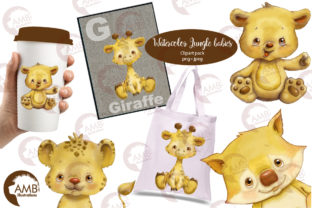
The first thing that strikes you about Jungle Babies, Safari Babies in Watercolor is the atmosphere. It captures that dreamy, slightly messy charm of a toddler's art class, which is exactly what parents want for their baby gear. The watercolor style relies heavily on gradients and bleeding edges. In a traditional vector file, this can be a nightmare for stitching, often resulting in jagged lines or excessive color changes. However, this specific design seems to have been digitized with an understanding of how thread behaves. Instead of trying to force a photorealistic gradient, it uses strategic blocks of color and varying stitch density to mimic the wash of paint.
When I visualize this on a tote bag design or a canvas pillow cover, the softness of the watercolor aesthetic translates surprisingly well. It avoids the harsh, rigid outlines often found in basic cartoon animals. The shapes are organic, allowing the fill stitch to create texture rather than just flat coverage. For an Etsy seller looking to differentiate their shop from competitors using bold, primary-colored cartoons, this offers a sophisticated alternative that feels handmade even though it is machine-stitched.
Real-World Application: From File to Finished Product
To truly understand the value of this digital embroidery file, we need to look at where it actually shines. Imagine preparing a personalized gift for a baby shower. You have a high-quality cotton sweatshirt and a 5x7 hoop. Loading Jungle Babies, Safari Babies in Watercolor onto the machine, you select a safari-themed elephant or lion cub. As the needle moves, the satin stitch borders define the character without overpowering the softer fill areas. The result is a baby embroidery piece that looks like a printed illustration but carries the tactile warmth of thread.
This design is particularly effective for custom apparel intended for young children. On a onesie or a bib, the whimsical nature of the "Jungle Babies" theme resonates instantly with buyers. The watercolor style softens the visual impact, making it less aggressive than solid black-outlined characters. I also see great potential here for holiday embroidery gifts. A set of kitchen towels featuring these safari babies would make a charming hostess gift, offering a unique twist on the typical seasonal patterns.
For the small business owner, this asset works beautifully as part of a cohesive brand line. If you run a boutique specializing in eco-friendly or natural fiber goods, the earthy tones and artistic style of Safari Babies in Watercolor align perfectly with that aesthetic. It elevates the perceived value of the finished product. Customers are willing to pay a premium for items that look curated and artistic rather than mass-produced. When I mock up these designs on printable mockups for social media, the engagement is higher because the image tells a story of creativity and care.
Navigating Technical Challenges and Fabric Choices
While the design is strong, it is not without its challenges. The watercolor effect means there are likely many small color shifts. If you are working with a small hoop size, such as a 4x4, you may find that the design gets cut off or loses detail. Always check the dimensions before committing to a tiny patch or a cap front. The intricate details of the animal faces might get lost if scaled down too aggressively.
Fabric choice is another critical factor. This design demands a stable surface. On stretchy fabrics like jersey knit, the soft edges of the watercolor style can distort during the stitching process, leading to puckering. I strongly recommend using a heavy-duty stabilizer and testing the design on scrap fabric first. Similarly, while the design works on light backgrounds, placing it on dark fabric requires careful consideration of the thread colors. The lighter washes in the watercolor effect might disappear against a navy or black background unless you use a dense underlay or a backing layer, which adds time and cost to your production.
Be cautious with textured fabrics like denim or canvas with a heavy weave. The fine details in the eyes or ears of the jungle animals might struggle to anchor properly in the deep grooves of the fabric texture. For curved surfaces like caps, the layout needs to be adjusted so the design doesn't warp around the seam. In these cases, breaking the design into smaller components or choosing a simpler version of the animal might yield better results.
Strategic Advice for Designers and Sellers
If you are considering adding Jungle Babies, Safari Babies in Watercolor to your library of design assets, follow these professional guidelines to ensure success:
- Test Before You Sell: Never skip the test run. Stitch the design on the exact fabric you plan to sell. Check for any gaps in the fill stitch or thread breakage in the delicate areas.
- Color Management: Review the thread colors required. Ensure they match your inventory or budget. Sometimes, swapping a specific pastel shade for a more common one can save money without ruining the look.
- Licensing Clarity: Before listing any handmade product for sale, confirm the licensing terms. Does the license allow you to sell the finished embroidered item? Can you resell the embroidery file itself? Misunderstanding these terms can lead to legal issues for your craft business.
- Mockup Variations: Create printable mockups showing the design on different items—a tote bag, a hat, and a blanket. This helps customers visualize the versatility of the design.
- Stitch Density Check: Inspect the file settings. If the density is too high, it will stiffen the fabric. For baby items, you want the final product to remain soft and comfortable against skin.
Final Verdict on Commercial Viability
In the competitive world of commercial embroidery, standing out requires designs that offer both quality and personality. Jungle Babies, Safari Babies in Watercolor delivers on both fronts. It bridges the gap between digital art and textile craft, offering a fresh take on the classic safari theme. While it requires attention to detail regarding stabilizers and fabric selection, the payoff is a personalized gift or small shop product that feels special and artisanal.
Whether you are a hobbyist decorating a nursery or a seasoned decorator fulfilling bulk orders, this design has the potential to become a best-seller if executed correctly. It respects the limitations of the medium while pushing the boundaries of what a machine embroidery design can achieve visually. By taking the time to test, stabilize, and present this design thoughtfully, you can build customer trust and enhance your brand's reputation for quality. It is a versatile asset that, with the right application, transforms simple fabric into a cherished keepsake.